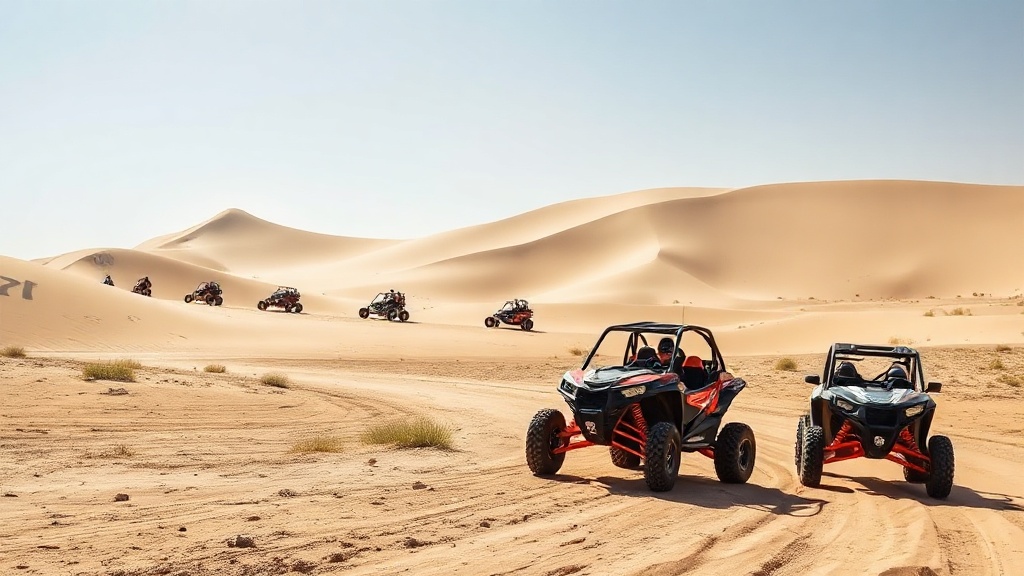
The safest dune operation and the most affordable-to-insure dune operation are almost always the same business. Underwriters reward operators who can show a disciplined, documented safety program, because fewer accidents mean fewer claims. More importantly, a strong safety culture protects your guests, your guides, and your reputation. This post lays out a practical risk-reduction program for sand buggy rental and guided-tour operators, covers your staging-area premises exposure, and explains how all of it translates into lower premiums.
Build a Safety Program That Carriers Respect
A safety program is not a binder on a shelf. It is the set of daily practices that govern how machines, guides, and guests interact. The core elements every dune operator should run:
Helmets and Personal Protective Equipment
Require properly fitted, certified helmets for every rider and guide, every time. Provide goggles or eye protection against blowing sand. Document that PPE was issued and worn. This is the single most visible signal of a serious operation.
Roll Cages and Harnesses
Every machine on your line should have an intact, properly maintained roll cage and functioning harnesses or restraints. Check them before each rental or tour. A rollover with a sound cage and a buckled harness is survivable; the same rollover without them is a catastrophe.
Rider Briefings
Never let a guest start an engine without a briefing. Cover the controls, the speed and area rules, how to handle a slope, what to do in a rollover, and the importance of following the guide and keeping distance to avoid dust wrecks. A consistent, documented briefing both reduces accidents and strengthens your legal position if one happens anyway.
Guide-to-Guest Ratios
On guided tours, maintain sensible guide ratios so every group stays supervised and controllable. Smaller ratios mean guides can catch unsafe behavior before it becomes an accident. Carriers view tight ratios as a strong positive.
Speed, Area, and Distance Rules
Set and enforce rules: maximum speeds for the conditions, off-limits areas, and minimum following distances to prevent dust-blind collisions. Mark hazards and keep groups within designated zones.
Sand Flags, First Aid, and Communications
- Require tall sand flags on every machine so riders are visible cresting dunes
- Carry first-aid kits on every tour and at your staging area, with trained staff who know how to use them
- Equip guides with radios or comms so help can be summoned fast in remote terrain
- Have an emergency response plan that names who calls EMS, how machines are recovered, and how guests are evacuated
Premises Liability at Your Staging Area
The dunes are not your only exposure. Your staging area, check-in office, and parking lot create their own risks before anyone rides. Premises liability, typically part of your general liability policy, covers injuries that happen on your grounds:
- Slip-and-falls in the office or on uneven ground
- Parking-lot vehicle incidents and pedestrian conflicts
- Injuries from equipment, trailers, or fuel handling at staging
- Guests struck by maneuvering machines in the staging zone
Keep walkways clear, mark hazards, separate pedestrian and machine traffic, and post signage. A tidy, well-organized staging area prevents claims and shows underwriters you manage your whole operation, not just the rides.
A Note on Abuse & Molestation Coverage
If your operation serves minors, runs youth groups, or involves close guide-to-guest contact and overnight trips, you should carry abuse and molestation liability. Standard general liability typically excludes these allegations, and even a baseless claim is expensive to defend. Combine the coverage with sensible safeguards:
- Background-check guides and staff
- Maintain two-adult or no-one-on-one policies where practical
- Document training on appropriate conduct
This protects vulnerable guests and shields your business from a category of claim that GL alone will not touch.
How Strong Risk Management Lowers Your Premiums
Insurance pricing is fundamentally about predicting losses. When you can demonstrate that your losses are unlikely, carriers price accordingly. Operators who consistently see lower premiums tend to:
- Document everything — briefings, inspections, maintenance logs, signed waivers, and incident reports
- Show a clean claims history built on real safety practices
- Enforce PPE and equipment standards without exception
- Train and certify guides and keep records of that training
- Run a written safety plan they can hand to an underwriter
Every one of these is a lever you control. A serious safety program is not just risk reduction; it is one of the most effective premium-reduction tools available to a dune operator.
Build a Safer, More Insurable Operation
A strong safety program protects your guests and your bottom line at the same time. Our team works with sand buggy rental and dune tour operators across all 50 states and can help you align your risk management with a program that rewards it.
Call 844-967-5247 or request a quote through our online form today, and let's build coverage that fits a well-run operation.