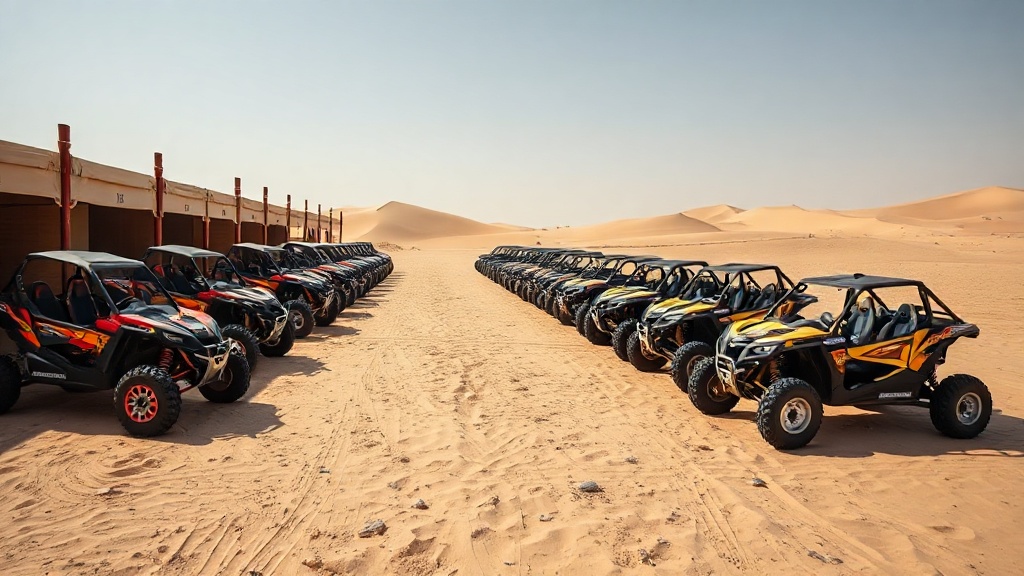
Running a sand buggy or sand-rail rental and guided-tour operation is one of the most exciting businesses in outdoor recreation. It is also one of the most exposed. You are handing high-horsepower, open-cockpit vehicles to members of the public, sending them or your guides across shifting dunes at speed, and operating on land you often do not own. A single rollover, collision, or dust-blind pileup can produce serious injuries and a claim that dwarfs a season of revenue.
The right insurance program is not one policy. It is a stack of coverages that each close a specific gap. This guide walks through every coverage a buggy rental and tour operator should understand, why it matters, what drives your premium, and the certificates you will be asked to produce.
The Coverages Every Buggy Rental & Tour Operator Needs
General Liability
General liability (GL) is the foundation. It responds when a third party is injured or their property is damaged because of your business operations. A spectator struck near your staging area, a bystander's vehicle damaged in your lot, or an injury tied to your premises all fall here.
Be aware that GL alone has a critical gap for tour and rental operators: participant injuries. Standard GL policies frequently carry participation, athletic, or recreational exclusions that strip coverage for the very people you put behind the wheel. That gap is why participant accident coverage exists as a separate line.
Rental Equipment / Physical Damage on Your Fleet
Your buggies and sand-rails are your revenue engine, and they take a beating. Physical damage coverage (sometimes written as inland marine or rental equipment coverage) pays to repair or replace your fleet after:
- Rollovers and hard landings on the dunes
- Mechanical and drivetrain damage from hard use
- Theft from staging areas, trailers, or storage yards
- Fire and weather damage
- Renter-caused damage during a rental period
Without it, every wrecked machine comes straight out of your pocket.
Participant Accident Coverage
This is the line that fills the GL participant gap. Participant accident provides medical benefits to the riders and guests injured during your tours or rentals, often on a no-fault basis, regardless of who was at fault. It keeps minor and moderate injuries from escalating into liability lawsuits and demonstrates to customers that you stand behind their safety.
Abuse & Molestation Liability
If your operation includes minors, overnight trips, or close guide-to-guest contact, carriers increasingly expect abuse and molestation coverage. It responds to allegations of misconduct, which standard GL typically excludes. Even a baseless allegation is expensive to defend.
Commercial Auto
The moment you tow trailers of buggies to the dunes, shuttle guests in a van, or run support trucks on public roads, you need commercial auto. Personal auto policies exclude business use and will deny these claims. Commercial auto covers your owned vehicles, and hired and non-owned auto extends protection when employees use their own vehicles for the business.
Premises Liability
If you operate a fixed staging area, check-in office, parking lot, or off-road park, premises liability (usually folded into your GL) covers slip-and-falls, parking-lot incidents, and other injuries that happen on your grounds before anyone ever starts an engine.
Workers' Compensation
If you have any employees, including seasonal guides and lot staff, nearly every state requires workers' comp. It covers their medical bills and lost wages if they are hurt on the job, and it protects you from the employee injury lawsuits that comp is designed to replace.
What Drives Your Premium
Underwriters price buggy rental and tour risk on a handful of factors:
- Fleet size and value — more machines and higher-value sand-rails raise physical damage premiums
- Annual rider/guest count and revenue — the more people you put on the dunes, the higher the liability exposure
- Self-guided rentals vs. guided tours — turning customers loose unsupervised carries more risk than guided rides
- Minimum rider age and minor participation — operations with children draw closer scrutiny
- Safety program quality — helmets, roll cages, harnesses, briefings, and documented inspections lower risk and premiums
- Claims history — a clean loss record is your best negotiating tool
- Limits and deductibles — higher limits cost more but are often required by landowners and lenders
Certificates for Land-Use Permits and Venues
Most buggy operators do not own the sand. You run on BLM land, state recreation areas, private dune parks, or leased ground, and every one of those will demand proof of insurance before you open. Be ready to provide:
- Certificates of insurance (COIs) naming the land manager or venue
- Additional insured endorsements adding the landowner, BLM, or park as an additional insured on your GL
- Specific minimum limits dictated by the permit or lease
- Waiver of subrogation language when the contract requires it
Getting these issued quickly keeps permits active and seasons on schedule. A good insurance partner turns COIs around fast so a paperwork delay never costs you a booking.
Build the Right Program for Your Operation
Every buggy rental and tour business is different. The right blend of these coverages depends on your fleet, your guest volume, and where you operate. Our team works specifically with sand buggy and sand-rail rental and tour operators across all 50 states and can build a program that fits.
Call us at 844-967-5247 or request a quote through our online form today, and let's make sure your operation is protected from staging area to summit and back.