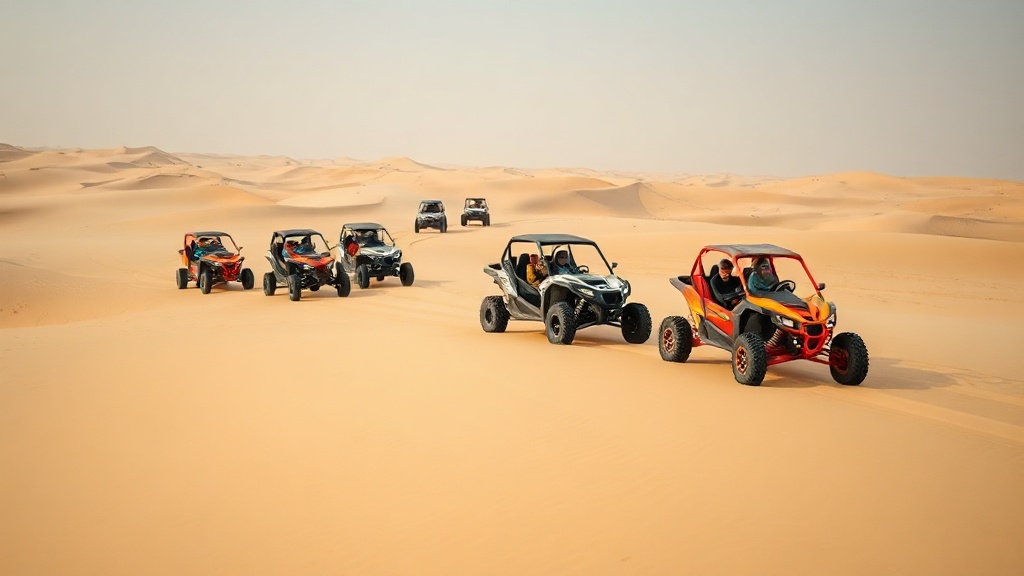
If you run guided dune tours or rent sand buggies and sand-rails, the people most likely to get hurt in your operation are your own paying customers. Rollovers on a steep slip face, collisions when two machines crest a dune at the same moment, and dust-blind impacts in low visibility are real, recurring exposures. Many operators assume their general liability policy has them covered. Too often, it does not.
This post explains the rider-injury exposure, the participant exclusion hiding in most GL policies, how participant accident medical coverage actually works, and why a signed waiver protects you far less than you think.
The Rider-Injury Exposure Is Real
Dune environments are inherently unpredictable. Sand conditions change hour to hour, slopes hide drop-offs, and visibility collapses the moment a buggy ahead kicks up a wall of dust. The most common ways guests get hurt include:
- Rollovers on steep faces or sharp turns, especially with inexperienced renters
- Collisions between machines or with fixed obstacles
- Dust and visibility wrecks when one rider follows another too closely
- Ejection and harness injuries when riders are not properly secured
- Whiplash, fractures, and contusions from hard landings off dune crests
These are not freak events. They are predictable outcomes of putting people on powerful, open-cockpit vehicles in difficult terrain. Underwriters know it, and so should you.
Why General Liability Often Will Not Pay
Here is the gap that surprises operators: standard general liability policies frequently contain a participant, athletic, or recreational activity exclusion. This language removes coverage for injuries to the people actively participating in your activity, the exact riders you are guiding or renting to.
The logic from the insurer's side is that GL is designed to protect against injuries to *third parties* (a bystander, a neighbor's property) and not against the inherent risk of the recreational activity itself. So when a customer rolls a buggy on your tour and breaks a wrist, your GL carrier may deny the claim outright, pointing to the participant exclusion.
That denial leaves you personally exposed to the medical bills and any lawsuit that follows. This is precisely the hole participant accident coverage is built to fill.
How Participant Accident Medical Coverage Works
Participant accident coverage (sometimes called participant legal liability or accident medical) is a dedicated line that responds when a rider or guest is injured during your tour or rental.
Key features operators should understand:
- It often pays on a no-fault basis. Many participant accident policies provide medical benefits regardless of who caused the accident, which means a hurt customer gets help fast without a fault fight.
- It covers medical expenses such as emergency treatment, hospital stays, and follow-up care up to the policy's per-person limit.
- It de-escalates claims. When an injured guest's medical bills are handled promptly, they are far less likely to hire a lawyer and pursue a much larger liability suit.
- It signals professionalism. Telling customers you carry coverage for their safety builds trust and supports your booking conversions.
Participant accident coverage and participant *liability* coverage work together: the medical line handles the bills, and the liability line responds if the injured rider sues alleging your negligence.
Why a Signed Waiver Is Not Insurance
Every responsible dune tour operator should use waivers. But a waiver is a legal document, not a financial backstop, and confusing the two is one of the most dangerous mistakes in this business.
What a waiver does and does not do:
- A waiver can deter lawsuits and may get a weak claim dismissed early, saving on defense.
- A waiver does not pay a single medical bill. Only insurance puts money toward an injured rider's care.
- Waivers get challenged and overturned. Courts in many states scrutinize recreational releases, and they routinely fail when they are vague, signed under pressure, involve gross negligence, or when a minor is involved.
- Waivers rarely bind minors. A parent's signature does not always waive a child's right to sue, and many states void such releases entirely.
In short, a waiver lowers the odds of being sued; insurance is what actually pays when something goes wrong. You need both.
Releases Plus Coverage: The Right Combination
The strongest risk posture pairs a well-drafted release with the right coverage:
- Use clear, state-specific waivers that spell out the inherent risks of dune riding in plain language, signed before every tour or rental.
- Reinforce the release with a verbal safety briefing so no one can claim they did not understand the danger.
- Carry participant accident medical coverage so injured guests get care without a fight.
- Carry participant liability coverage to defend and indemnify you if a suit is filed anyway.
- Document everything — signed waivers, briefing checklists, and incident reports all strengthen both your legal and insurance positions.
Together, these turn an inevitable injury into a managed event instead of a business-ending crisis.
Protect Your Riders and Your Operation
Do not assume your general liability policy covers the riders on your tours. Many do not, and finding out at claim time is the worst possible moment. Let our team review your current coverage and close the participant gap before it costs you.
Call 844-967-5247 or request a quote through our online form to make sure both your guests and your dune tour business are properly protected.